Automatic Generators: A Trustworthy Method for Continuous Electricity
Standby generators provide crucial protection when the power goes out. The generators work flawlessly, switching on in moments when power fails. Running on diverse fuels, these systems guarantee homes and businesses remain operational in times of crisis. Nevertheless, grasping their utility and characteristics is crucial to reaching the right conclusion. Which points should be addressed before investing in this type of unit? The next segments discuss these crucial elements.
Understanding Standby Generators: How They Work
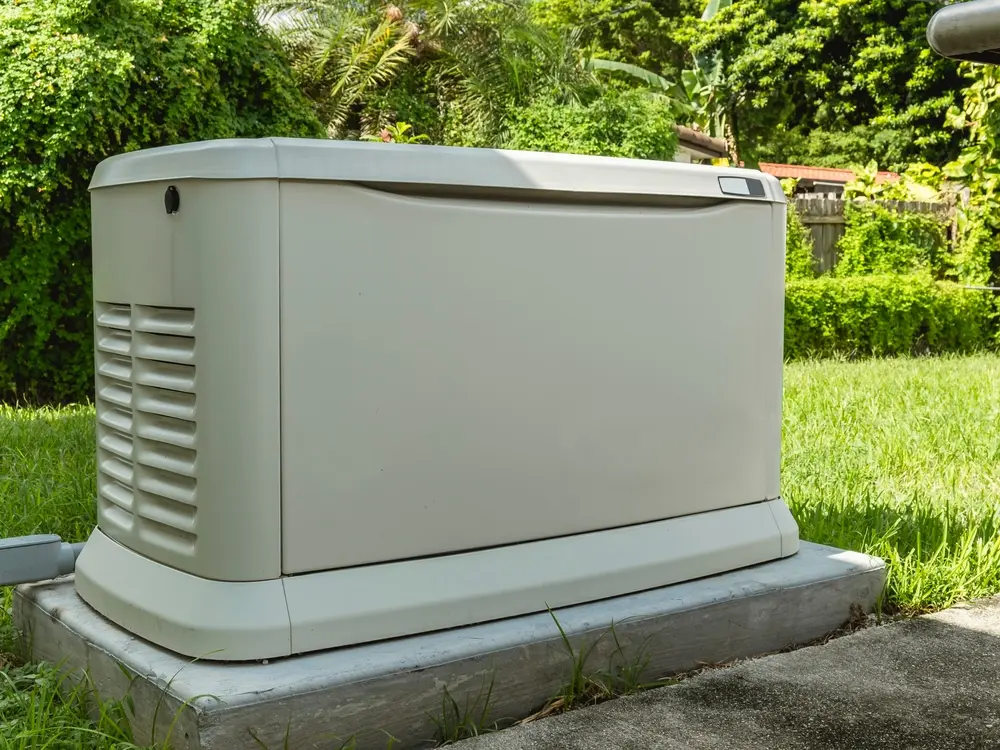
Automatic generators are vital systems that offer reliable emergency electricity during outages. They are typically installed outside a home or building, connected to the electrical system and fueled by natural gas, propane, or diesel. Should the power fail, a standby generator detects the loss of electricity and begins operating immediately. This process involves an automatic transfer switch, which separates the building from the main supply and switches the load to the generator
(Portland Standby Generators)The generator then begins to produce electricity, feeding electricity to vital loads or the whole building, relative to its output. Typically, these generators have an internal tracking mechanism which ensures correct operation and maintenance. The generators function for prolonged times, providing a reliable power source until the public power returns. Grasping how backup generators work allows residents to recognize their value in enhancing energy security and reducing interruptions during unexpected outages
Advantages of Owning a Backup System
Trustworthiness is a key feature of utilizing this type of generator, as it guarantees an uninterrupted power supply when the power fails. This essential feature assures continuous operation for properties, protecting valuable assets and preserving convenience. In addition, standby generators enhance safety by preventing power outages that could lead to hazardous situations, such as burst plumbing or non-functional medical devices.
Affordability is a further advantage; while the initial investment may be significant, the savings over time from avoided food spoilage, operational downtime, and emergency repairs can be remarkable. Furthermore, standby generators increase property value, which makes them an desirable characteristic for future homeowners.
Ease of operation is a key factor, as they automatically activate during an outage, removing the necessity for hands-on operation. This seamless operation allows users to maintain their daily routines without hiccups. In summary, setting up a standby system offers peace of mind, assuring that power is constantly supplied when needed most.
Key Features to Look for in a Backup Power System
In the process of picking a standby generator, several key features should be considered to guarantee peak performance and suitability for specific needs. First, the power output is vital; prospective owners must figure out the needed capacity to power necessary systems during an outage. Furthermore, the power source—whether natural gas, propane, or diesel—influences operation and operational costs.
Another important feature is the transfer switch, which allows for effortless switching and boosts reliability. Durability and build quality also matter; a robust generator can cope with extreme weather.
In addition, noise levels should be assessed, as low-noise units are better for neighborhood settings. Some generators offer self-starting features, adding comfort during unforeseen blackouts. Finally, support and coverage details need to be checked, ensuring dependable assistance and maintenance. By evaluating these features, prospective buyers can select a standby generator that satisfies their specific energy requirements efficiently.
Factors to Consider Before Purchase
Prior to purchasing a standby generator, customers should diligently assess several essential factors to confirm they arrive at an well-considered conclusion. Portland Standby Generators. First, they must evaluate their energy requirements by estimating the needed power to power essential devices during an outage. Secondly, the type of fuel is critical; choices are natural gas, propane, or diesel, each possessing specific upsides and availability considerations
Furthermore, customers need to examine the generator's transfer switch, which allows for smooth energy changeover. The requirements for installation are also important, since certain models may necessitate expert setup or permit acquisition
The warranty and support options deserve close attention, as these can greatly impact long-term satisfaction. Finally, those considering a purchase must check the level of noise produced, above all if they are located in residential areas. By considering these elements, customers may pick the right generator that fulfills their unique needs and expectations
Maintenance Tips for Your Standby Generator

Routine servicing is crucial to ensure optimal functioning and extending the life of the unit. Begin by checking the oil level in the unit, and swap out the oil and filter as recommended by the maker. Inspect the air filter often and change it when needed to guarantee optimal airflow. It is crucial to check the battery and clean any corrosion on terminals to keep the starting power consistent.
Conduct periodic load tests to confirm the generator can handle its rated capacity. Furthermore, ensure that no obstructions or leaks exist in the exhaust system. Maintaining a clean, debris-free generator will help prevent overheating and other issues.
Lastly, book professional upkeep at least once a year to handle potential issues and conduct thorough checks. Following these maintenance tips can greatly extend the lifespan of a standby generator, providing peace of mind during power outages.
FAQs
What is the Average Cost of Standby Generators?
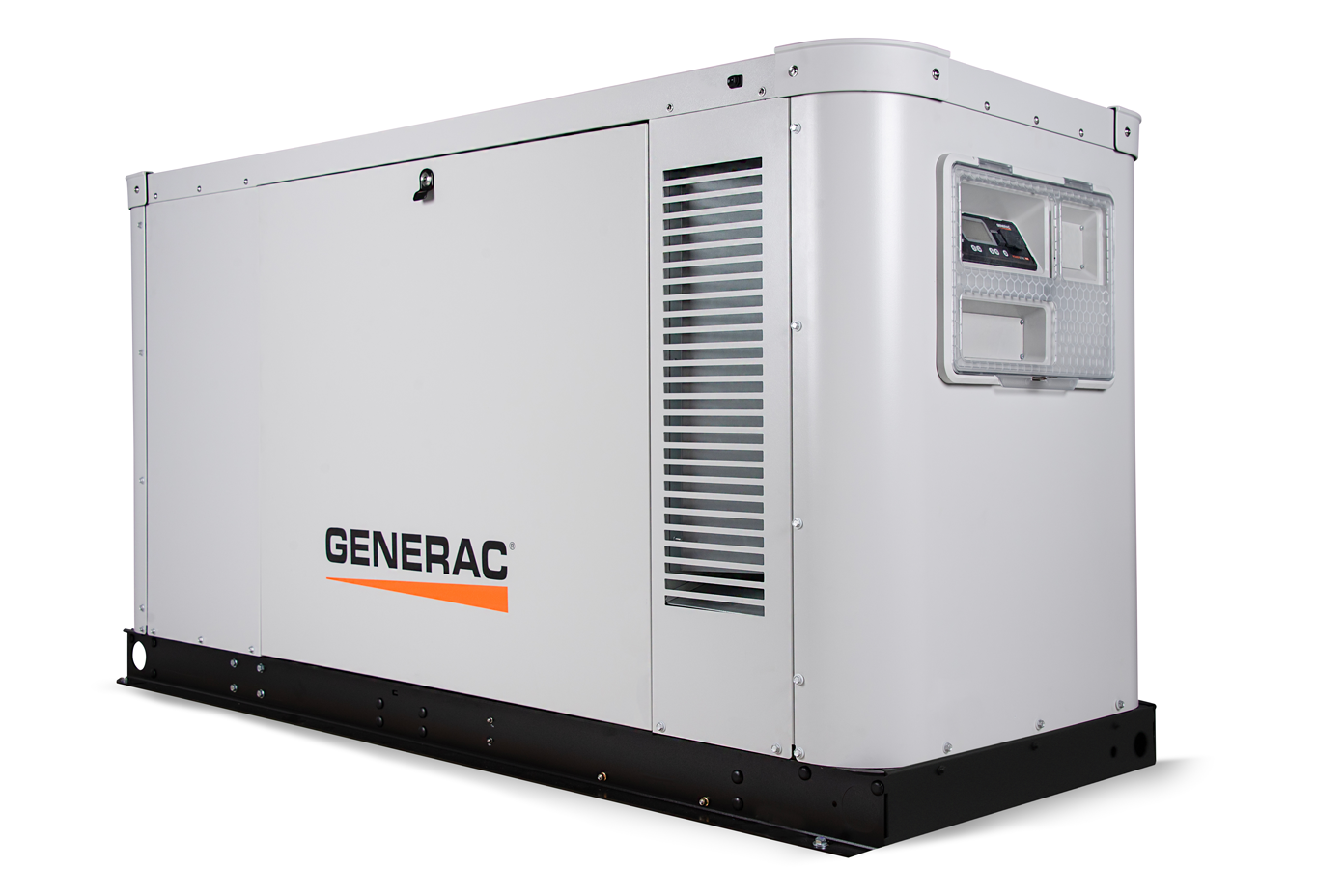
Standby generators typically cost between $2,000 and $15,000, influenced by factors including power output, brand, and installation complexity. Extra costs often involve permits, fuel tanks, and maintenance, which impacts the overall cost.
Is Self-Installation of a Standby Generator Possible?
Self-installation of a backup generator is feasible, but you must have knowledge regarding local codes and electrical wiring. Most professionals advise hiring a professional to guarantee safety, adherence to regulations, and optimal functioning of the generator installation.
What Fuels Do Standby Generators Use?
Standby generators commonly run on energy sources such as diesel, natural gas, propane, or gasoline. Portland Standby Generators. The selection of energy source is frequently influenced by availability, cost, and specific energy needs, influencing the efficiency and performance of the generator
Are There Any Permits Required for Installation?
Absolutely, installation permits are usually mandated for the installation of standby generators. The specific codes change based on the locale, so it is crucial for contractors or homeowners to check with local governing bodies to ensure adherence with all relevant codes and requirements.
What is the Maximum Continuous Runtime Continuously?
A standby generator can run continuously for varying insightful guide durations, typically ranging from 24 to 48 hours, based on the load demands and fuel availability. Consistent servicing provides optimal functioning and extended lifespan during extended operation periods.
Comments on “Smart Backup Power Techniques”